A Comprehensive Overview Concerning Fire Hydrant Inspection & Upkeep:
Fire hydrants play a crucial role in safeguarding lives as well as building during fire emergencies. Regular inspection as well as maintenance of fire hydrants are necessary to ensure their optimal functionality. In this guide, we will offer you with detailed actions and also guidelines for examining and preserving fire hydrants. From comprehending the components of a fire hydrant to executing routine inspections and addressing usual concerns, this post will certainly outfit you with the understanding to maintain fire hydrants in first-class problem.
Fire hydrants are vital fixtures utilized by firefighters to gain access to water for fire suppression objectives. They consist of different components, consisting of the major valve, running nut, drainpipe valve, and also hydrant body. Understanding the makeup of a fire hydrant is crucial for reliable inspection and upkeep.
Relevance of Routine Inspection and also Upkeep
Normal inspection and maintenance are essential to ensure fire hydrants remain in appropriate working order when emergency situations take place. Neglecting upkeep can cause reduced water flow, valve malfunctions, as well as other issues that might prevent firefighting initiatives. By sticking to a consistent inspection and maintenance timetable, you can proactively identify as well as attend to any kind of troubles that may arise.
Fire Hydrant Inspection
Performing comprehensive inspections is essential to recognizing possible troubles as well as ensuring the functional preparedness of fire hydrants. Comply with these steps for a detailed fire hydrant inspection:
Pre-Inspection Prep work
Prior to starting the inspection, ensure you have the necessary tools and also safety and security devices. This may consist of a wrench, stress scale, lubricating substance, and also appropriate personal safety tools (PPE). It's necessary to prioritize safety during the inspection procedure.
Aesthetic Inspection
Start the inspection by carrying out a visual exam of the fire hydrant. Seek any noticeable indicators of damages, rust, or leaks. Inspect the surrounding area for blockages that might hamper access throughout an emergency situation. Look for any kind of indicators of tampering or criminal damage, such as busted locks or indications of forced entry. Keep in mind any kind of observed problems for additional examination as well as activity.
Running Nut and also Cap Inspection
Next, concentrate on the operating nut as well as cap. Check for any kind of signs of damages or wear. Ensure they are appropriately safeguarded and also very easy to remove. The operating nut must turn efficiently without any excessive resistance or grinding noises. Lubricate the operating nut threads with an appropriate lubricating substance to guarantee smooth operation. Normal lubrication helps avoid corrosion as well as deterioration, making certain the nut remains simple to turn.
Main Valve Inspection
The primary shutoff is an important element of the fire hydrant. Evaluate it for any kind of leaks or indicators of corrosion. Seek water seepage or rust around the shutoff body. Open up and close the valve to guarantee it runs efficiently. Observe if the valve totally closes with no recurring leaks. Note any troubles or problems come across throughout this procedure, such as extreme pressure needed to operate the shutoff or the valve obtaining embeded the open or closed position.
Drainage System Inspection
The water drainage system of a fire hydrant plays a vital role in protecting against water build-up and freeze damages during cold weather. Inspect the drainpipe shutoff for appropriate capability. Guarantee it opens totally and also shuts firmly. Test the drainpipe shutoff by opening it briefly to launch any kind of accumulated water. Look for any leaks or signs of clog in the water drainage system. If you notice any concerns, such as inadequate drain or leakages, take into consideration contacting an expert to deal with the problem immediately.
Circulation Testing
Routine circulation testing is vital to assess the water circulation from the fire hydrant. This examination assists establish if the hydrant can delivering the required circulation prices for firefighting functions. Conducting a flow examination requires specific equipment and also competence. It is booster flow testing suggested to involve professional examiners or the local fire department to perform this examination accurately. They will certainly gauge the circulation rate as well as stress of the hydrant to ensure it meets the required requirements.
Fire Hydrant Maintenance
Regular upkeep is important to maintain fire hydrants in ideal condition. Right here are vital upkeep tasks that ought to be done:
Clearing Debris and Obstructions
On a regular basis inspect as well as remove the area around the fire hydrant to eliminate any debris or obstructions that might prevent its gain access to throughout an emergency situation. Make certain that there are no disordered plants, trash, or any kind of various other objects obstructing the hydrant. Cut greenery around to provide very easy exposure and access for firefighters.
Lubrication of Moving Components
Using lube to the relocating components of the fire hydrant aids make sure smooth operation as well as prevents deterioration. It is recommended to oil the operating nut, primary valve, and also other relocating elements at least annually or according to supplier's recommendations. Use a lubricating substance particularly developed for fire hydrants as well as follow the guidelines provided.
Fixing or Changing Damaged Elements
If during the inspection or regular upkeep you uncover any kind of broken or malfunctioning components, it is critical to address them immediately. Replace worn-out or busted components to restore the performance of the fire hydrant. This might include replacing harmed gaskets, seals, screws, or even the major valve. Always use top notch replacement parts that follow the producer's specifications.
Painting and also Noting
On a regular basis check the paint as well as markings on the fire hydrant. Over time, weather conditions and also basic deterioration can create the paint to fade or chip. Repair any type of discolored or harmed paint using a fire hydrant-approved paint that sticks to the maker's guidelines. Furthermore, make certain that the fire hydrant is properly classified and also marked with the needed details, such as its operating pressure and also flow ability. Clear and noticeable markings help firefighters find and utilize the hydrant efficiently during emergency situations.
Common Fire Hydrant Issues and also Troubleshooting
Recognizing common problems that can develop with fire hydrants enables you to fix and address them immediately. Here are some usual troubles as well as their possible remedies:
Leaks as well as Water Infiltration
Leakages or water seepage around the hydrant may show damaged gaskets, damaged shutoffs, or shabby seals. Examine and repair or change the influenced components as needed.
Stuck or Difficult-to-Operate Valves
Shutoffs that are stuck or tough to run might be triggered by particles build-up or rust. Completely tidy the valve and use lube to restore smooth operation.
Damages to Hydrant Parts
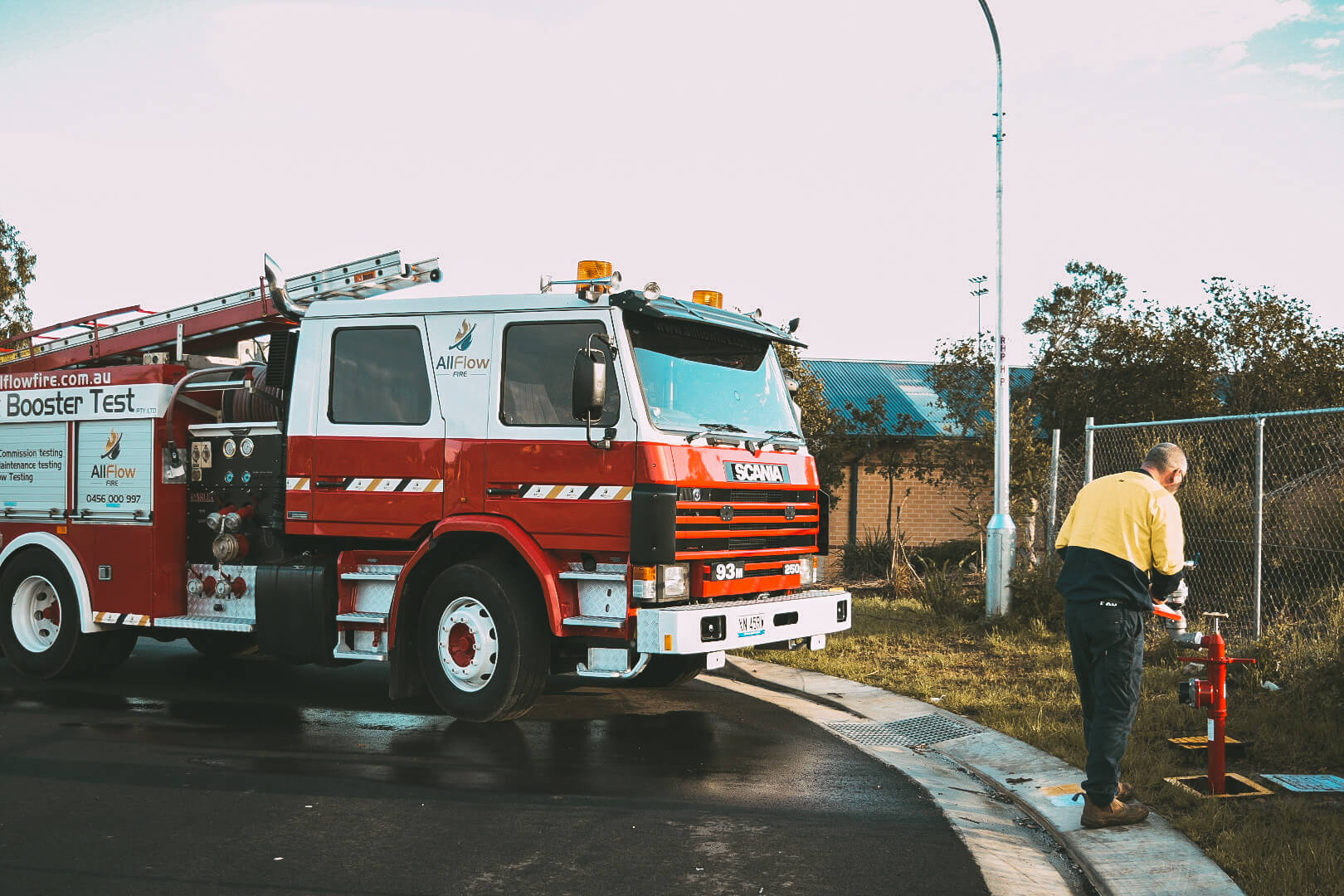
Damages to hydrant components, such as a broken operating nut or harmed main valve, can impair the capability of the hydrant. Change the damaged parts to ensure proper procedure.
Inadequate Water Flow
Inadequate water flow from the hydrant can be caused by blockages, shutoff malfunctions, or inadequate water stress. Check out the concern and also take suitable procedures to restore the required flow.
Frequently Asked Questions
Exactly how commonly should fire hydrants be inspected?
Fire hydrants need to be inspected a minimum of annually. Nevertheless, in locations with severe ecological conditions or high fire threat, more frequent inspections may be required.
Can I execute fire hydrant inspections myself?
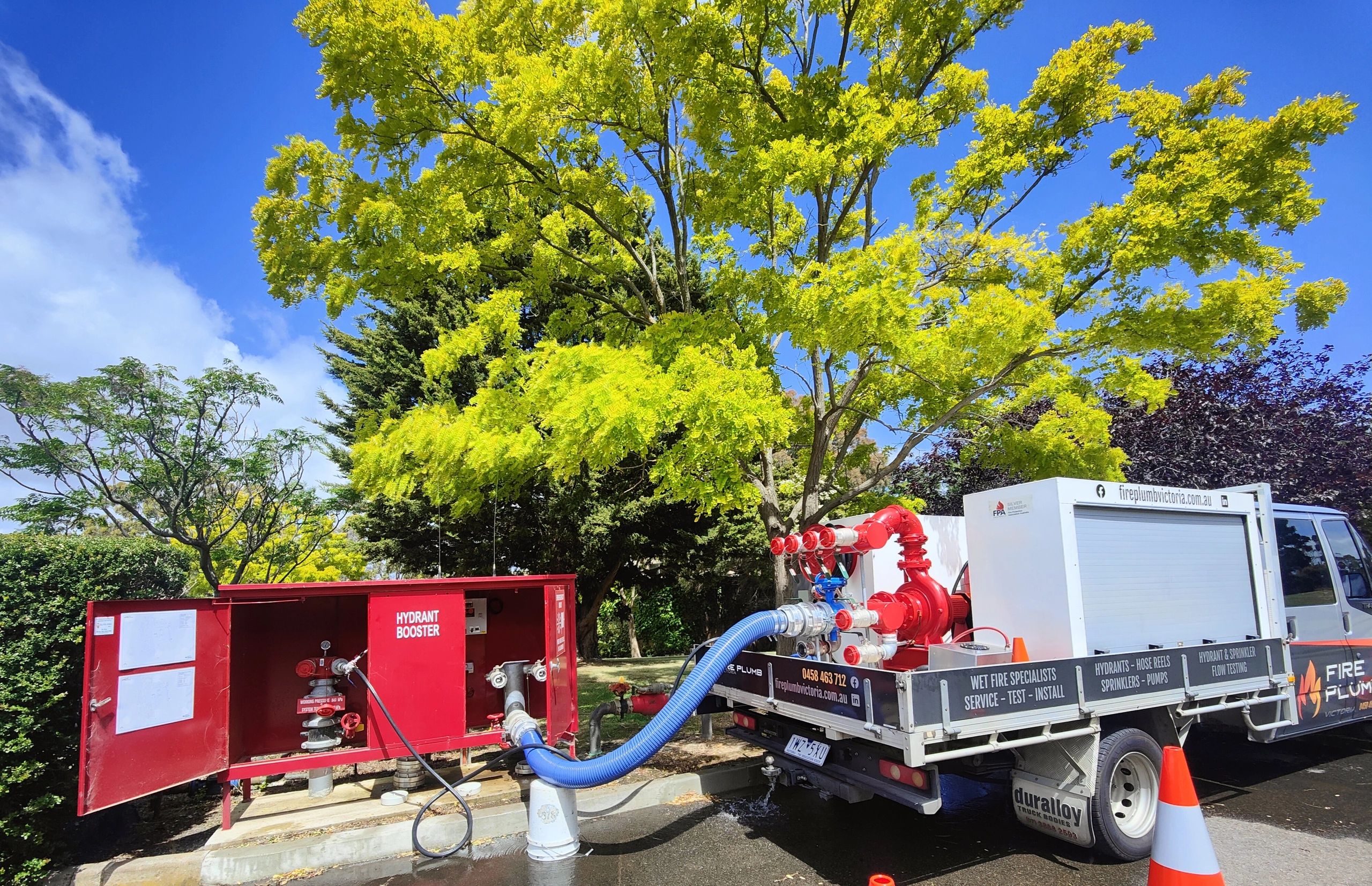
While standard aesthetic inspections can be done by skilled individuals, it is suggested to include expert examiners for even more in-depth evaluations and also flow testing.
What should I do if I see a harmed fire hydrant?
If you encounter a damaged fire hydrant, report it to the proper authorities or the local fire department immediately. Do not try to fix or replace the hydrant yourself.
Why is water flow testing important?
Water flow testing ensures that fire hydrants can supply the required flow prices for firefighting operations. It assists identify any type of obstructions or issues that may hinder water distribution.
Verdict:
Regular inspection and maintenance are essential for the reliable operation of fire hydrants. By complying with the actions detailed in this guide and also immediately addressing any problems, you can ensure that fire hydrants are ready to serve their important role in shielding lives as well as residential or commercial property during fire emergency situations. Keep in mind, a properly maintained fire hydrant can make a considerable difference in reducing the influence of fires and protecting areas.